

Quick Success Data Science


I live only a couple hours’ drive from the path of totality for this year’s eclipse, and it drives me crazy when people say that they’re staying home because “95% of the sun will be covered and that’s good enough.”
I can assure you it is not good enough. Not by a long shot. I saw totality in 2017 and, while I won’t call it “life changing,” it was definitely one of the great events of my life.
Here’s the thing: the sun is 480,000 times brighter than the full moon. When 95% of the sun is occluded — even accounting for limb darkening — it’s still over 7,000 times brighter than the moon! That’s the same brightness as an overcast day.

And because it takes about 75 minutes for totality to arrive, your pupils easily dilate to keep up with the waning light. For most of the eclipse, you can’t even tell it’s happening.
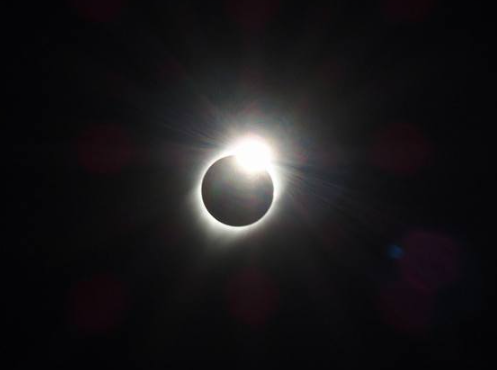
Totality, when the sun is completely covered, is over 200x darker than an overcast day. The temperature plummets. People gasp in awe. Birds stop singing. Your neck hairs stand on…